
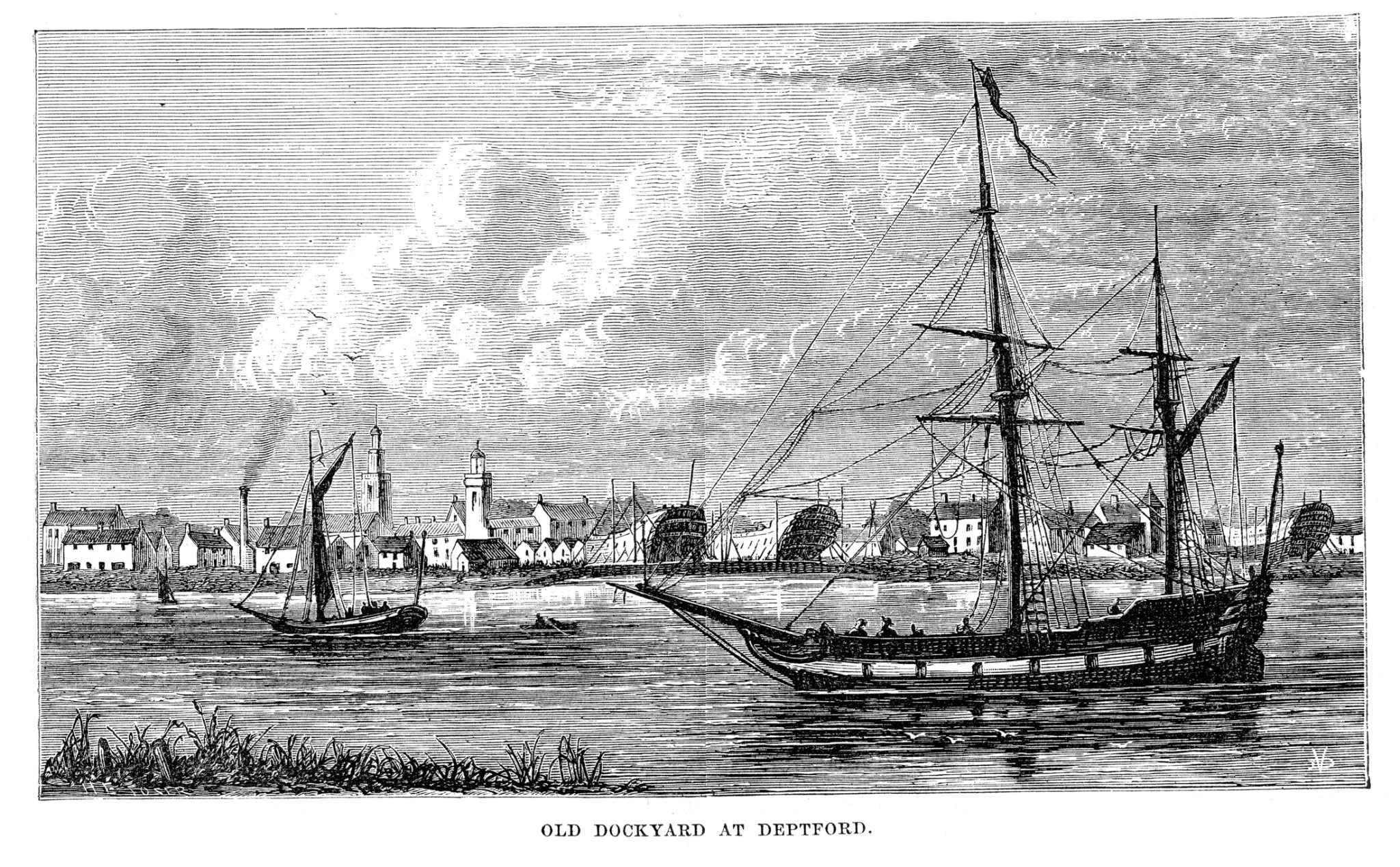
The wreck of the Royal Merchant is one of the most fascinating stories from the golden age of maritime trade in the 17th century. Its ill-fated voyage, laden with an enormous treasure, has captivated the imagination of historians, treasure hunters, and adventurers for centuries. The ship’s cargo, the perilous conditions under which it sank, and the many attempts to find it since have created a legend that continues to endure today.
57
Crew Onboard
1641
Year Sank
$1.5B
Wreck Value Today
N/A
Wreck Discovered
The Ship and Its Journey
The Royal Merchant was a well-known merchant vessel of its time, having served in the English fleet for years prior to its final voyage. In 1641, it embarked on a journey from Cadiz, Spain, bound for Antwerp, Belgium, carrying one of the largest known treasures to be transported by sea at the time. The ship was captained by John Limbrey, a veteran sailor experienced in navigating Europe’s often treacherous waters.
At the time, merchant ships like the Royal Merchant played a crucial role in international trade, ferrying goods, precious metals, and other valuables across dangerous and unpredictable seas. The voyage from Cadiz to Antwerp was particularly important, as the ship was loaded with a vast wealth of gold, silver, and other valuables to be used by European merchants and monarchs alike. The political landscape in Europe, dominated by conflicts such as the Thirty Years’ War, made the wealth carried by the Royal Merchant essential for the warring nations.
What made this particular voyage so significant, and later so tragic, was the ship’s precious cargo. The vessel was laden with at least 100,000 pounds of gold, 400 bars of Mexican silver, and a variety of jewels and other valuable items. The estimated value of the treasure in modern terms ranges between $1.5 billion and $2 billion, making the loss one of the greatest in maritime history.
The Tragic Sinking
Unfortunately, the wealth of the Royal Merchant was not enough to protect it from the dangers of the sea. After leaving Cadiz, the ship encountered harsh weather as it neared the Isles of Scilly, a notoriously dangerous area off the southwestern coast of England. This group of islands had been the site of many shipwrecks over the years, and in the 17th century, navigating these waters required not only skill but also good fortune.
During its approach to the Isles of Scilly, the Royal Merchant was caught in a violent storm. Despite Captain Limbrey’s experience, the ship struggled to survive. High winds and fierce waves battered the vessel, and it became clear that it was taking on water. On October 23, 1641, after a desperate struggle to stay afloat, the Royal Merchant sank beneath the waves. The loss of life was significant; Captain Limbrey and 18 crew members were among those who perished.
While a few survivors managed to escape the wreck, the vast treasure sank with the ship. In the aftermath, the shock reverberated through Europe, especially as the treasure on board had been destined for wealthy merchants and European rulers. The loss of the Royal Merchant was a catastrophe not only because of the wealth it carried but also due to the impact it had on ongoing military and political events.
The Treasure and Its Value
The treasure on board the Royal Merchant was of monumental value. It is believed to have included gold, silver, and other precious items collected from across the world, including Mexican silver from the Spanish colonies. The wealth was intended to finance European governments and merchant ventures, particularly during a period when international trade was a critical component of national wealth and military power.
Although precise records from the time vary, historians estimate the treasure’s total value today to be around $1.5 to $2 billion. Such an enormous fortune, now lying somewhere beneath the sea, has given the shipwreck an almost mythical status. The wealth carried by the ship has never been fully recovered, making it one of the most coveted prizes for modern-day treasure hunters.
Conditions Leading to the Wreck
The Royal Merchant was sailing in an era when maritime travel was fraught with danger. Ships of the time were vulnerable to the unpredictable nature of the weather, and the southwestern coast of England, particularly the Isles of Scilly, was known for its treacherous waters. These conditions, combined with storms and strong currents, made the area one of the most dangerous for ships.
Maritime historians believe that several factors may have contributed to the sinking of the Royal Merchant. First, the ship itself, though seaworthy, had seen years of service and may have suffered structural weaknesses. The weight of the treasure and other cargo on board would have made it difficult to maneuver in the face of the storm. Moreover, the lack of precise navigation technology in the 17th century meant that even the most skilled captains could find themselves at the mercy of the elements.
Ultimately, it was the power of the storm that doomed the ship. Despite the crew’s best efforts, the vessel could not withstand the relentless assault of the sea, and it sank quickly, taking its treasure to the depths.
Attempts to Discover the Wreck
The sinking of the Royal Merchant immediately captured the attention of treasure hunters and salvage operations, even in the 17th century. However, the technology of the time was inadequate to locate and recover wrecks at significant depths, especially in the difficult and dangerous waters around the Isles of Scilly. The treasure remained lost despite numerous early attempts to locate it.
In the 20th century, as underwater exploration technology advanced, renewed efforts were made to find the wreck. Sonar technology, submersibles, and remotely operated vehicles have all been used to scour the seabed in search of the lost treasure. Several expeditions have focused on the areas where the ship is believed to have gone down, but as of today, the Royal Merchant remains undiscovered.
Historians and marine archaeologists have offered a few theories about why the wreck has eluded discovery. Some suggest that the wreckage may have been buried by shifting sands and sediment on the ocean floor. Others speculate that the ship may have disintegrated over the centuries due to the harsh underwater conditions, making it difficult to locate or recover intact.
The Enduring Legacy
The story of the Royal Merchant has become more than just the tale of a lost treasure. It speaks to the broader history of maritime exploration, trade, and the inherent risks of navigating the seas in a time when sailors were at the mercy of both the weather and their own limited technology. The Royal Merchant and its treasure have captured the imagination not only of those seeking riches but also of historians who view the ship as a symbol of the unpredictability and peril of life on the seas in the 17th century.
Today, the Royal Merchant remains one of the most famous shipwrecks in history, largely because of the vast wealth that went down with it. Yet the ship also serves as a poignant reminder of the fragility of human endeavors against the forces of nature. The lost treasure is still out there, somewhere beneath the waves, waiting to be found—a testament to the ongoing allure of sunken treasure and the mysteries of the sea.
- Famous Rescue Missions in British Maritime History: The Courage, the Storms, and the Stories That Still Inspire Today
- Shipwrecks of World War II Around the British Isles: 10 Stories Still Echoing Beneath the Waves
- Top 10 Shipwrecks You Can See in the UK (From Shore, Beaches & Low Tide)
- Salvage Law 101 — How Wrecks Are Legally Recovered and Who Gets Paid
- Top 7 Diveable Wrecks in Cornwall (Depths, GPS & Slack-Time Tips — 2025)
Leave a Reply