
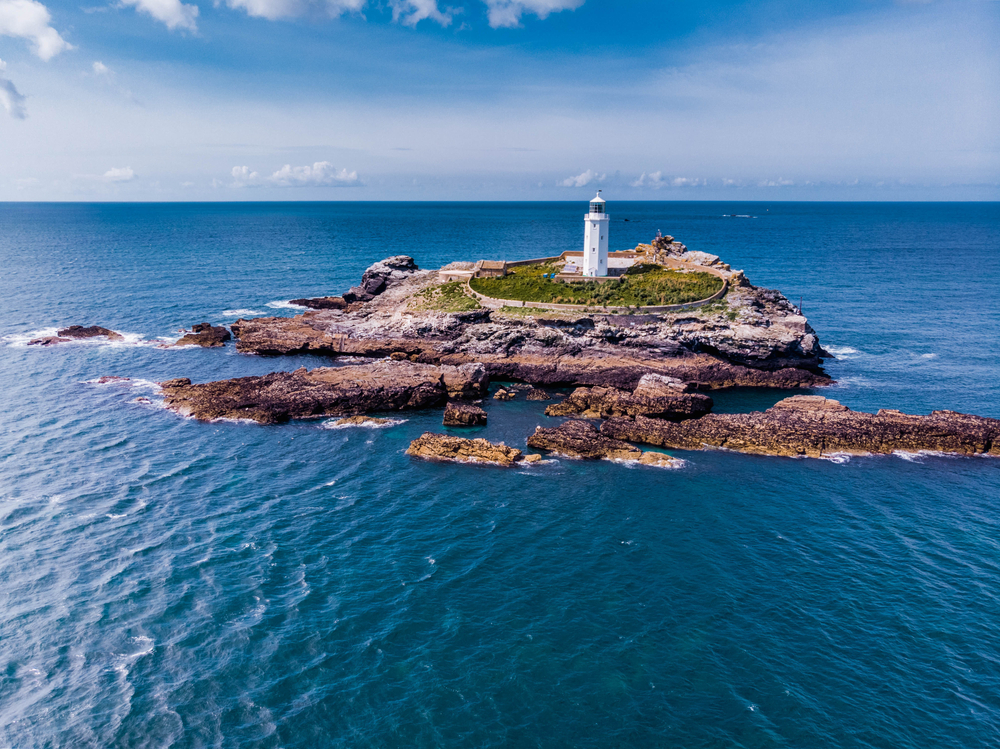
Top 10 Shipwrecks in Cornwall: Exploring Maritime Tragedies
Cornwall, a region with a rich maritime history, has witnessed countless shipwrecks over the centuries. The rugged coastline, notorious for treacherous weather and hidden rocks, has claimed vessels large and small, each with its own story of tragedy, bravery, and sometimes mystery. While many wrecks remain lost to the ocean depths, several have left their mark on Cornish history and folklore. Here, we delve into the top 10 shipwrecks in Cornwall, each with a tale as captivating as the last.
1. SS Mohegan (1898)
The wreck of the SS Mohegan is one of Cornwall’s most infamous maritime disasters. A passenger liner, it struck the treacherous Manacles Rocks off the Lizard Peninsula on October 14, 1898. Of the 197 passengers and crew aboard, 106 perished. The cause of the tragedy remains shrouded in mystery, with some speculating navigational errors, while others believe it may have been deliberate. The wreck lies near the village of Porthoustock and is a popular diving site today, with parts of the ship still visible underwater.
2. RMS Titanic (1912)
While the Titanic didn’t sink off the Cornish coast, its connection to Cornwall is significant. The wireless distress signal sent by the Titanic was first received by the Marconi station at Poldhu, Cornwall, marking a pivotal moment in maritime history. Though the ship sank in the icy waters of the North Atlantic, the tragedy deeply affected the Cornish community, many of whom had relatives working in maritime industries.
3. SS Schiller (1875)
The sinking of the German steamship SS Schiller is another tragic chapter in Cornwall’s maritime history. In May 1875, the ship struck the Retarrier Ledges near the Isles of Scilly during a heavy fog. Of the 254 people aboard, only 37 survived. The wreck brought international attention to the Scilly Isles, and a monument was erected on St. Mary’s Island in memory of the victims.
4. The Royal Charter (1859)
One of the most dramatic shipwrecks in Cornish history, the Royal Charter was a steam clipper that sank off the coast of Anglesey, Wales, during the “Royal Charter Storm” on October 26, 1859. While technically not in Cornwall, the wreck profoundly affected the Cornish coast, as debris and bodies washed ashore days later. The storm was one of the worst in British history, with over 800 lives lost across several shipwrecks, including the Royal Charter’s 459 victims.
5. HMS Warspite (1947)
HMS Warspite was a legendary battleship that served in both World Wars. After its decommissioning, the ship was on its way to the scrapyard when it ran aground at Prussia Cove, near Penzance, in 1947. Despite efforts to salvage the vessel, the ship broke apart in the rough Cornish seas. Today, divers explore the scattered remnants of the once-mighty battleship, and the wreck is a popular subject among maritime historians.
6. SS Paris (1899)
The SS Paris was a French steamer that met its end on the Manacles Rocks, much like the Mohegan. On the night of May 21, 1899, the ship struck the rocks, and though there were no fatalities, the wreck left a lasting impression on local divers. The remains of the ship can still be found on the seabed near St. Keverne, providing a glimpse into the perils of navigating Cornwall’s treacherous waters.
7. Bay of Panama (1891)
The Bay of Panama was a cargo ship that ran aground on the rocky cliffs of Land’s End in 1891. The ship was carrying a load of iron ore when it was caught in a fierce storm, and despite efforts to save her, the vessel was lost to the waves. The wreck’s remains can still be seen at low tide, making it a point of interest for those walking the South West Coast Path.
8. SS Belem (1895)
The sinking of the SS Belem is another notable tragedy from Cornwall’s maritime past. The ship ran aground near Cape Cornwall in 1895 during a violent storm. All 17 crew members were lost. The tragedy was widely reported, and the wreck’s haunting story remains part of Cornish folklore. Though much of the wreckage has since been claimed by the sea, divers still search for relics along the coastline.
9. HMS Anson (1807)
The wreck of HMS Anson near Loe Bar is one of the most famous shipwrecks in Cornish history. A 44-gun frigate, the Anson was caught in a storm and driven onto the sands near Porthleven in December 1807. Captain Lydiard and many of the crew perished as they attempted to swim to shore. The wreck sparked a public outcry over the lack of life-saving provisions for mariners, eventually leading to the invention of the rocket life-saving apparatus by Cornishman Henry Trengrouse.
10. The Spanish Armada Wrecks (1588)
One of the most iconic events in British history, the defeat of the Spanish Armada in 1588 had a significant impact on Cornwall’s coastline. Several Armada ships were wrecked off the Cornish coast, including the San Mateo and San Pedro el Mayor. The wreckage of these ships has been lost to time, but their legacy remains embedded in local folklore. Cornish fishermen often told tales of looting the wrecks, finding treasures, and the eerie sight of Spanish soldiers washed ashore.
Cornwall’s Legacy of Shipwrecks
Cornwall’s unique geographic location, with its jutting peninsulas and hidden rocks, has made it a graveyard for ships over the centuries. In the days before advanced navigation systems, the Cornish coastline posed an ever-present danger to mariners, and many vessels met their end in the region’s unpredictable seas.
One notable factor that played into Cornwall’s shipwreck history was the practice of “wrecking,” where locals would salvage cargo from stranded vessels, sometimes luring ships onto the rocks deliberately. This practice, though widely debated and somewhat mythologized, adds an intriguing layer to the region’s maritime history.
The Underwater World of Shipwrecks
Many of Cornwall’s wrecks lie beneath the waves, accessible only to divers. The waters around the county are a magnet for underwater explorers, offering a glimpse into history frozen in time. Some wrecks, like the Mohegan and the HMS Warspite, have become popular diving destinations, drawing enthusiasts from around the world. Others remain largely untouched, their secrets still guarded by the sea.
Cornwall’s shipwrecks tell stories not just of loss but of resilience, bravery, and human endeavor. From the massive liners to small fishing boats, each wreck represents a moment in time, a reminder of the powerful forces of nature and the risks faced by those who made their lives on the water.
Conclusion
Cornwall’s shipwrecks are more than just relics of the past; they are part of the region’s cultural heritage. Each one has a story to tell, whether it be a tragic loss of life, a daring rescue, or a tale of treasure and discovery. These wrecks serve as reminders of the perils of the sea and the indomitable spirit of those who sailed the Cornish coast. For locals and visitors alike, exploring the stories of Cornwall’s shipwrecks is a journey into the heart of maritime history.
Leave a Reply