
The seas surrounding the British Isles hold one of the world’s greatest underwater museums. Beneath grey swells and tidal races lie the shattered remains of convoys, stealth submarines, and naval giants — each frozen in its final moment of battle.
These aren’t just wrecks.
They’re chapters of a global conflict, still resting on the seabed while the world above has moved on.
Here are 10 of the most haunting, dramatic, and historically important WWII wrecks connected to Britain’s coastal waters — brought to life with imagery and gripping stories.
1. HMS Royal Oak — Scapa Flow, Orkney (1939)
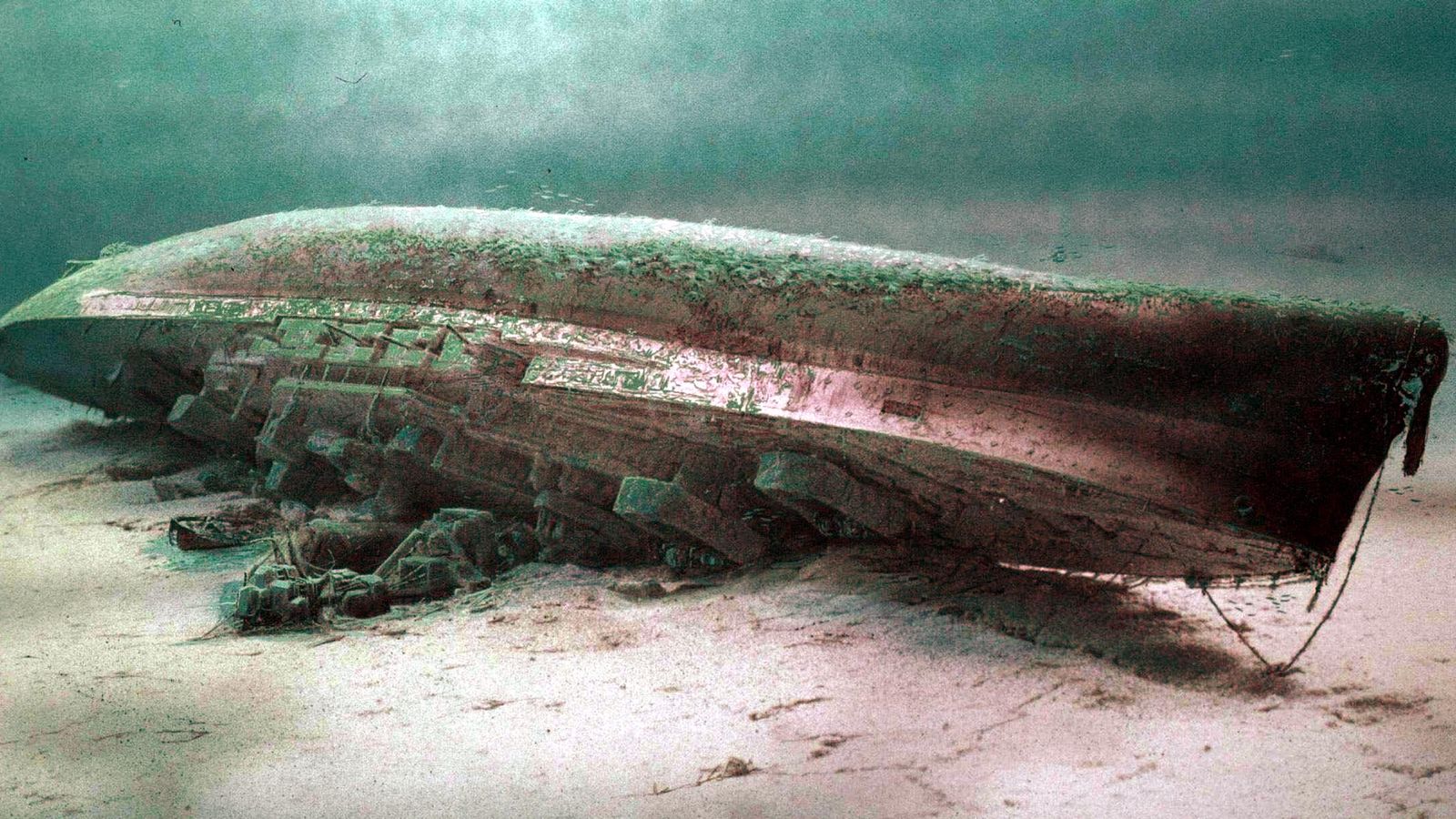

In one of WWII’s most daring early operations, German U-boat commander Günther Prien slipped undetected into the Royal Navy’s seemingly impenetrable stronghold at Scapa Flow.
Minutes later, HMS Royal Oak was torn apart by torpedoes.
835 sailors perished, many in their bunks.
Today, the wreck is a protected war grave. Divers aren’t permitted, but every year Navy divers descend to place a White Ensign on her hull.
Why it matters:
A humiliating early blow to British naval prestige — and a wake-up call that even home waters were not safe.
2. SS Richard Montgomery — Thames Estuary (1944)

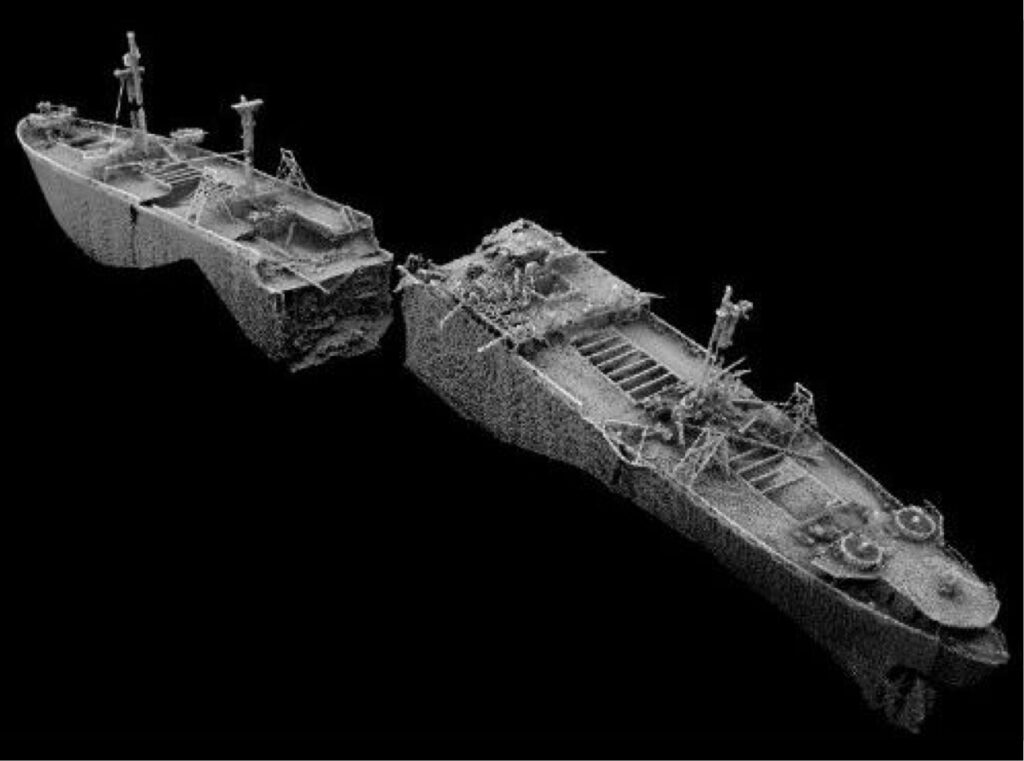
The most infamous wreck in Britain still threatens catastrophe.
The SS Richard Montgomery ran aground off Sheerness carrying over 1,400 tonnes of explosives.
Nearly 80 years later, those explosives remain.
At low tide, her masts still poke ominously above the waterline — a quiet reminder that a single collapse could create the largest non-nuclear explosion in British history.
Why it matters:
A ticking time capsule of wartime logistics — and an ongoing safety dilemma.
3. U-480 — The “Stealth Submarine” Off the Isle of Wight (1945)
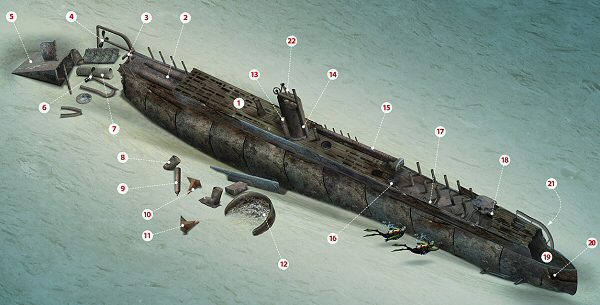
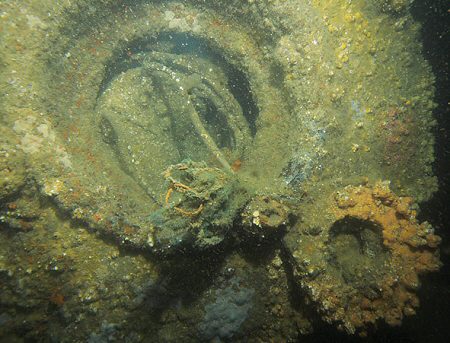
Nicknamed the world’s first stealth submarine, U-480 was coated in a synthetic rubber skin designed to absorb sonar — cutting-edge technology for its time.
She sank multiple Allied ships before hitting a British minefield and vanishing.
When divers discovered her in 1997, they were stunned to find the rubber coating still intact — a ghost of early stealth warfare.
Why it matters:
A revolutionary design decades ahead of its time.
4. HMS Dasher — Firth of Clyde (1943)


One of the Royal Navy’s worst non-combat losses.
A sudden internal explosion ripped the escort carrier HMS Dasher apart in minutes, killing over 350 crew.
Theories range from aviation fuel vapor to munitions failures.
The wreck is still a protected site in the Clyde, wrapped in mystery and tragedy.
Why it matters:
A disaster that reshaped naval fuel-handling procedures.
5. SS Moldavia — English Channel (1940)
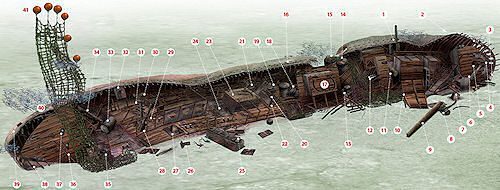
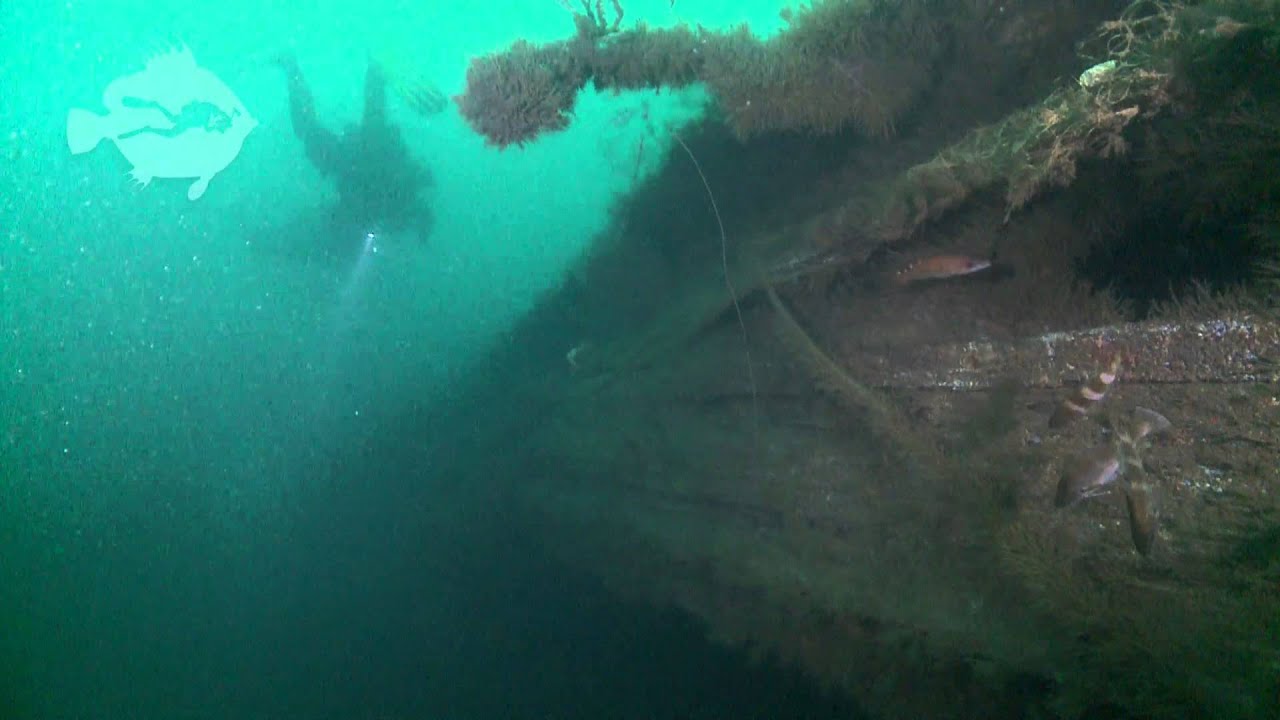
Originally a luxury liner, SS Moldavia was requisitioned as a troopship — and immediately became a target.
Torpedoed by U-70, she now rests as one of the Channel’s most dramatic dives.
Her guns still lie across the seabed, eerie and silent.
Why it matters:
A symbol of how civilian vessels were thrust into the brutality of war.
6. HMS Hood — Denmark Strait (1941)
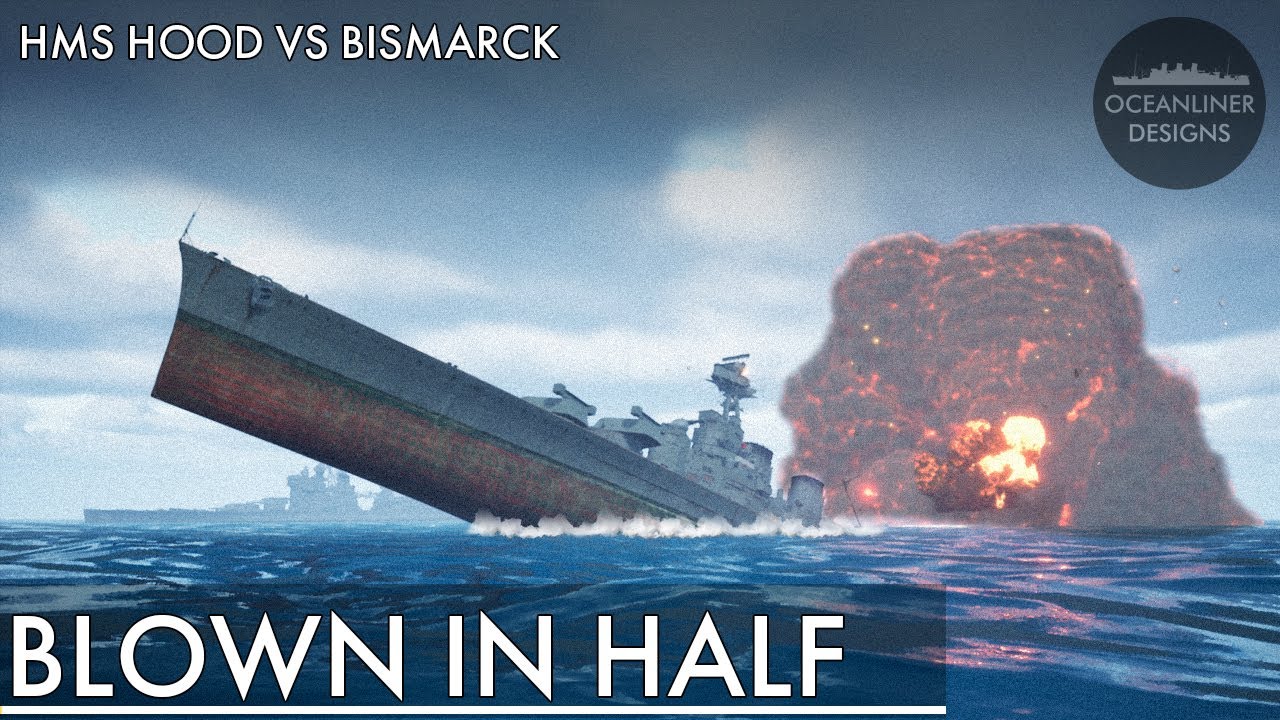

The “Mighty Hood,” pride of the Royal Navy, engaged the German battleship Bismarck in 1941.
A catastrophic explosion split her apart, killing 1,415 of 1,418 crew.
Her wreck lies in deep Arctic waters, but the story is deeply woven into British naval identity.
Why it matters:
One of the greatest naval losses in British history—and a tragedy that drove the relentless pursuit of Bismarck.
7. HMS Barham — Mediterranean (1941)
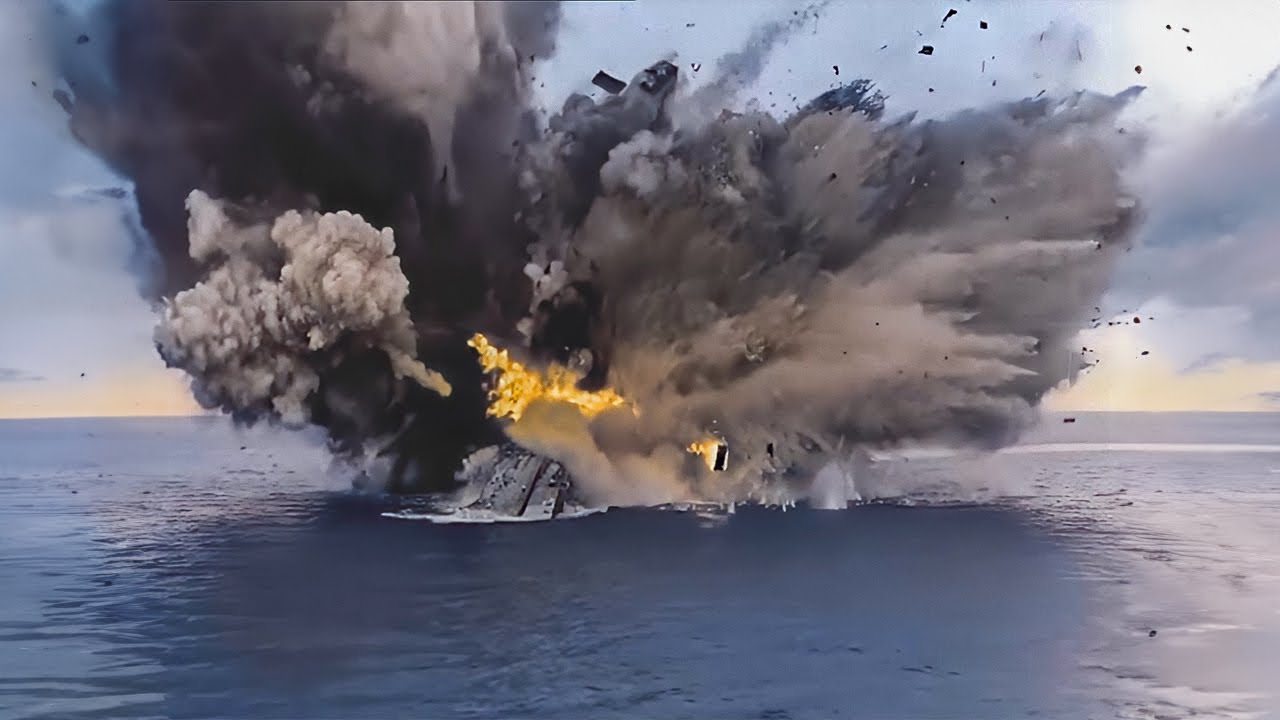

Built in Devonport and serving across the globe, HMS Barham was torpedoed by U-331.
A newsreel captured her capsizing and exploding — one of the most shocking wartime sequences ever filmed.
Why it matters:
A huge loss for the Royal Navy and a rare sinking captured on film.
8. The Clyde Aircraft Wrecks — Scottish West Coast


Dozens of aircraft — Beauforts, Ansons, Walrus reconnaissance planes — were lost during training missions around the Clyde.
Some lie intact; others appear only after strong storms, washing fragments ashore.
Why it matters:
Reveals how dangerous wartime training was, even far from enemy action.
9. SS Empire Heritage — Off Malin Head (1944)

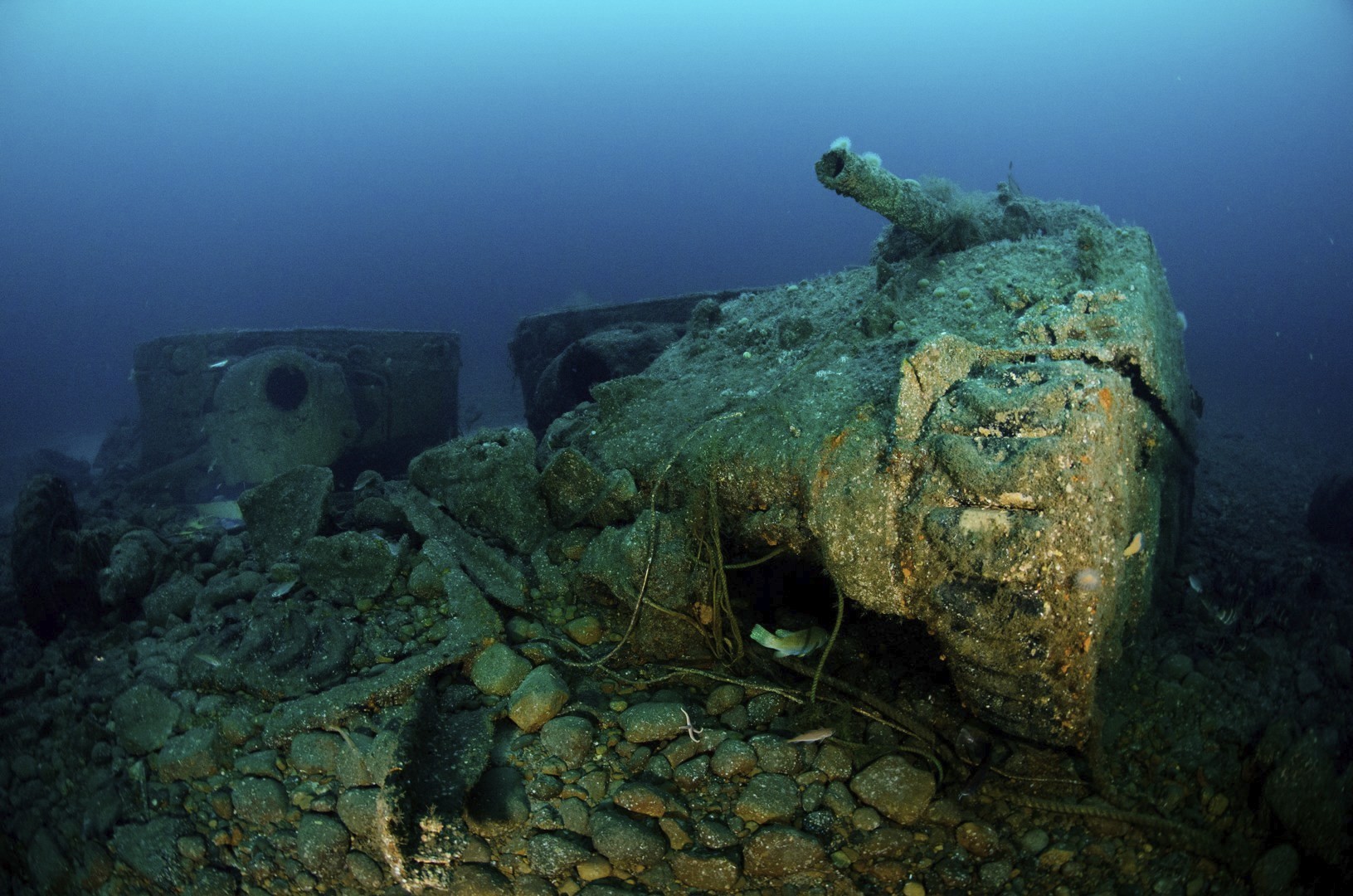
A treasure trove of underwater wartime history.
The tanker Empire Heritage was sunk by U-482 while carrying…
Sherman tanks.
Yes — the seabed here is littered with intact tanks, tracked vehicles, ammunition, and machinery.
It’s one of the most surreal dive sites in Europe.
Why it matters:
A battlefield frozen in time, complete with tanks.
10. HMS Prince of Wales (Built in Birkenhead) — South China Sea (1941)


Although sunk far from the UK, this battleship was built at Cammell Laird shipyard.
Her loss, alongside HMS Repulse, marked the end of the era of battleship dominance.
The wreck has suffered illegal salvage damage, but she remains a key piece of British naval history.
Why it matters:
A turning point in global naval warfare — aircraft now ruled the seas.
Why Are So Many WWII Wrecks Connected to the UK?
Britain was the Allied supply hub
Convoys fed the entire war effort.
U-boats prowled the Atlantic approaches
The Channel, Western Approaches and North Sea were kill zones.
British shipyards produced key warships
Many lost vessels were built in Glasgow, Birkenhead, Newcastle, Plymouth and Belfast.
Training accidents were frequent
Fog, storms and wartime pressure created dangerous conditions.
Can You Visit These WWII Wrecks?
Some are:
- visible from shore (like Richard Montgomery)
- reachable via dive charters
- represented in museums
- commemorated at coastal memorials
Others — like Royal Oak and Dasher — are protected graves.
Final Thoughts
These wrecks aren’t just metal.
They’re stories, sacrifices, and technological leaps that shaped the world we live in.
Each one offers a window into wartime Britain — the danger of convoys, the terror of U-boats, the ambition of naval engineering, and the cost of global conflict.
Leave a Reply